






 Settings
 Fast Delivery
 Free Shipping
 Incoterms
 Payment Types


 Marketplace Product

Amazon Dash Button Tear Down
2016-12-29 | By Maker.io Staff
New to Amazon’s arsenal of IoT hardware is the Amazon Dash button, which is an IoT connected button that allows users to repeatedly order certain branded products from Amazon with just a press of the button. The button itself uses WiFi to connect to your wireless network and it also includes Bluetooth for smart phone connectivity to Amazons Dash application in Android and iOS.
I ordered two Amazon Dash buttons, one in which I could rip apart to see what’s inside and the other to use for an IoT project later on. The Dash buttons cost around $4.99 and requires an Amazon Prime account for use.
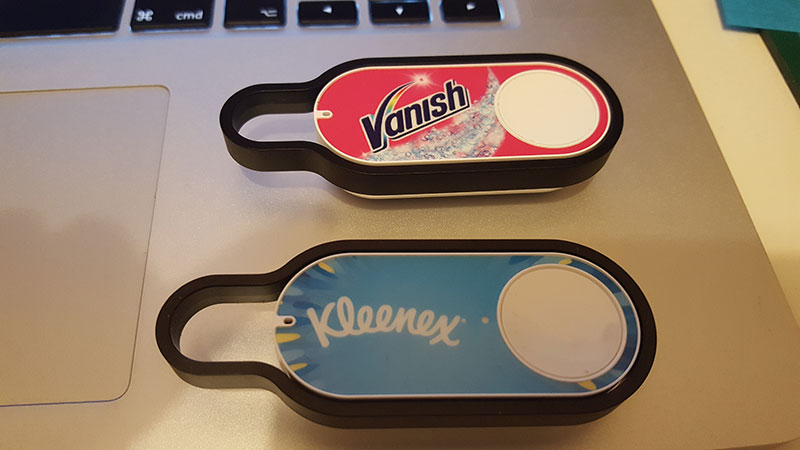
Amazon Dash Buttons
The buttons I received from Amazon are a newer revision 2.0 specification, which were somewhat very difficult to open up than the previous revision 1. Revision 1 Dash buttons had three screws under the branding label, which you could unscrew and open up the button without damaging the enclosure. However, the revision 2 did not have any screws on the outside of the enclosure and the top half and bottom half had been very securely glued down together. With a flat headed screwdriver, a managed to wangle it in with a bit of force and then move it along the edge to break the top half and bottom half apart without damaging the PCB, however the top enclosure did break in the process.
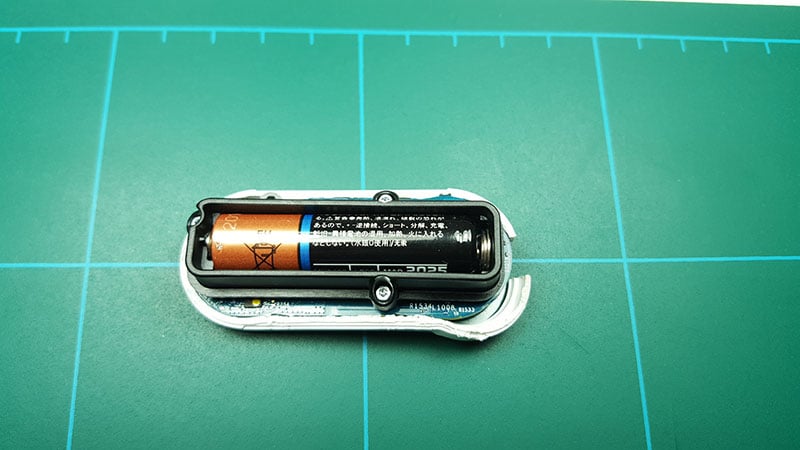
Breaking the dash button apart
You can see from the figure above that the PCB is actually screwed into the top half of the enclosure using three T5 screws and affixed with a bracket to hold the AAA battery in place.
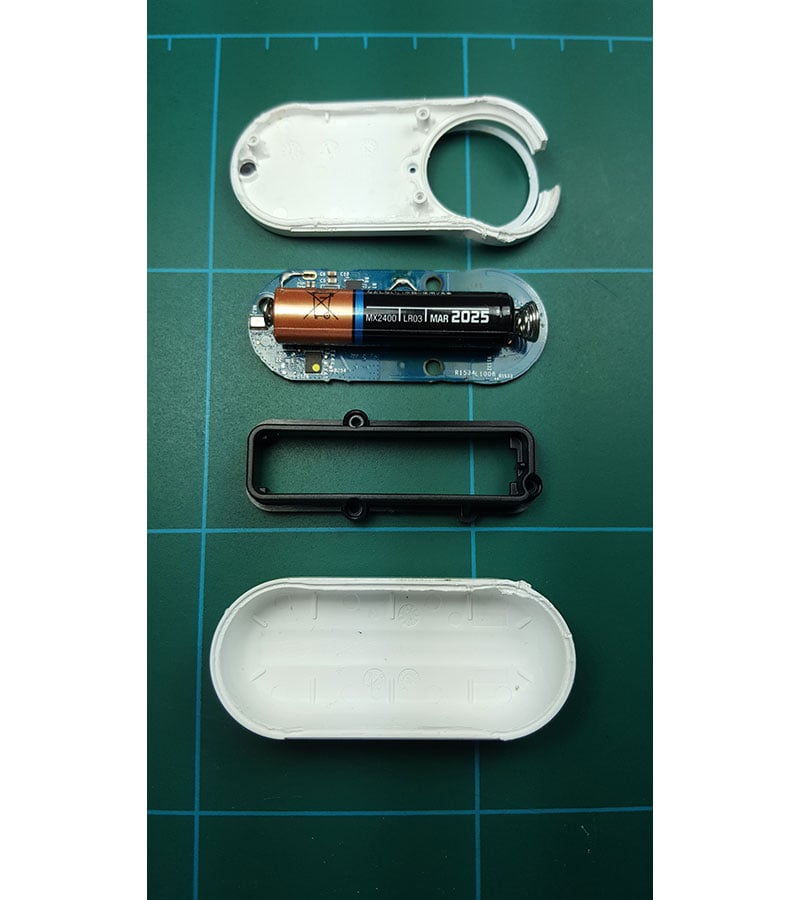
Unscrew the three T5 screws
Once the screws are un screwed the PCB then attaches away from the enclosure and shown in figure 3. You can also just pop the battery out at this point to take a good look at the PCB.
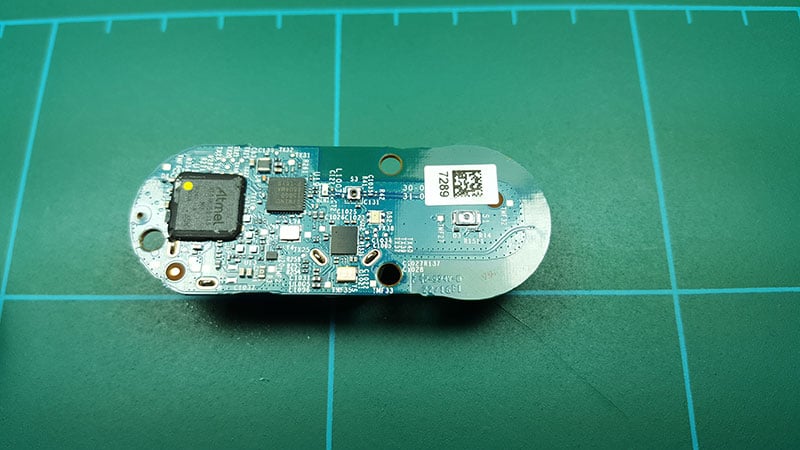
Bottom side of the PCB
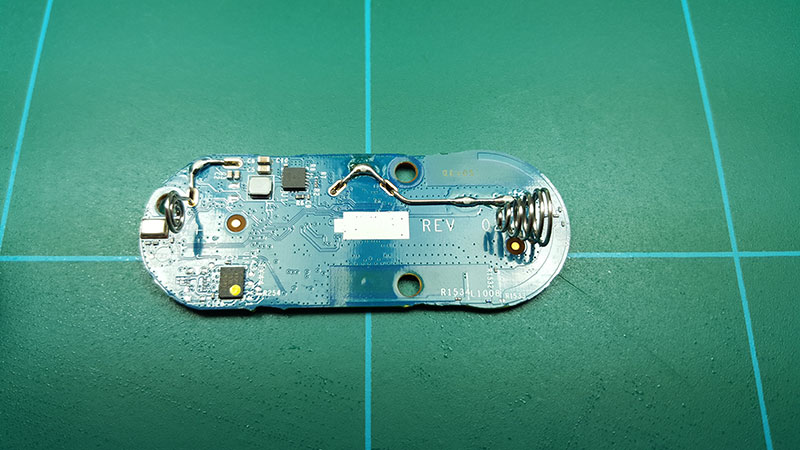
Top side of the PCB
The revision 2 of the Amazon dash button features an Atmel ATSAMG55 ARM microcontroller, which is a Cortex-M4, capable of running at 120MHz. It also includes an Atmel ATWINC1500B wireless chip for WiFi connectivity and a Cypress CYBL10563-68FNXI Bluetooth Low Energy chip for smart phone configuration using the Amazon shopping application for Android and iOS.
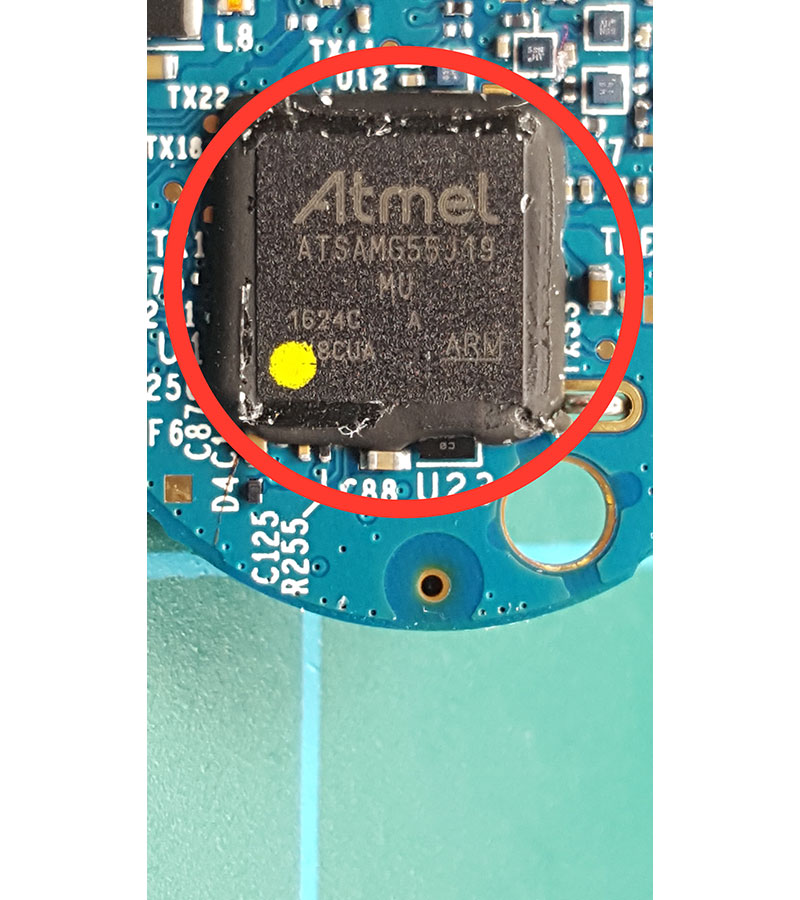
Atmel SAMG55 MCU
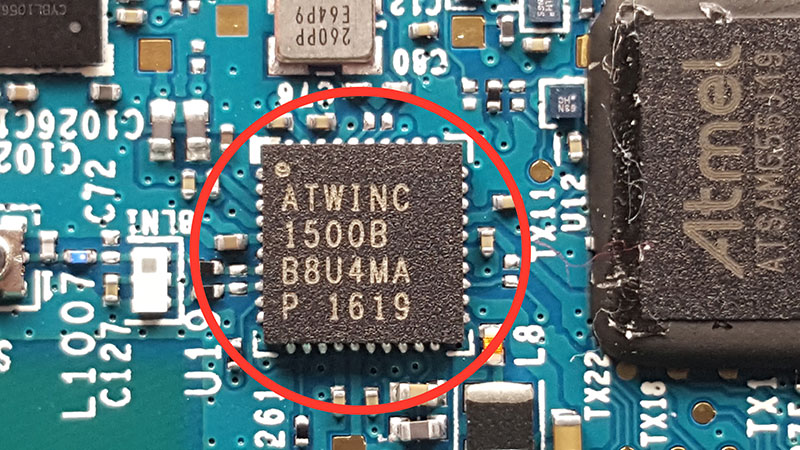
Atmel ATWINC Wireless Chip
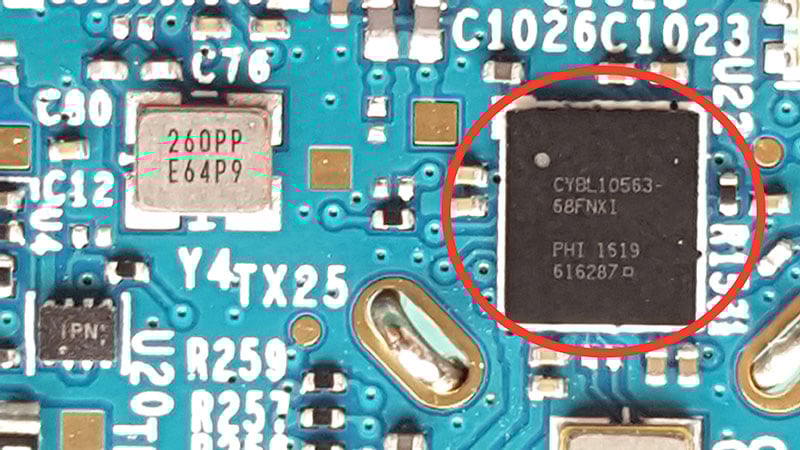
Cypress Bluetooth Chip
On the reverse side of the board there is a Micron N25Q032 flash memory chip and a microphone, which is used to communicate with sound initiated from your smartphone application to send across the WiFi credentials. There is also footprint for a programming header which is not soldered on to the board for some reason. The Dash Button uses a 1.5V AAA alkaline battery boosted to 3.3V drawing around 200-300mA from the battery when on and 2.3uA when in sleep mode. Since the Amazon Dash button is only on for a few seconds when it is activated it should probably last for about 1000 presses before the battery dies. You can also check the status for the battery by connected to the Amazon Dash WiFi hotspot and navigating to IP address 192.168.0.1 using HTTP.
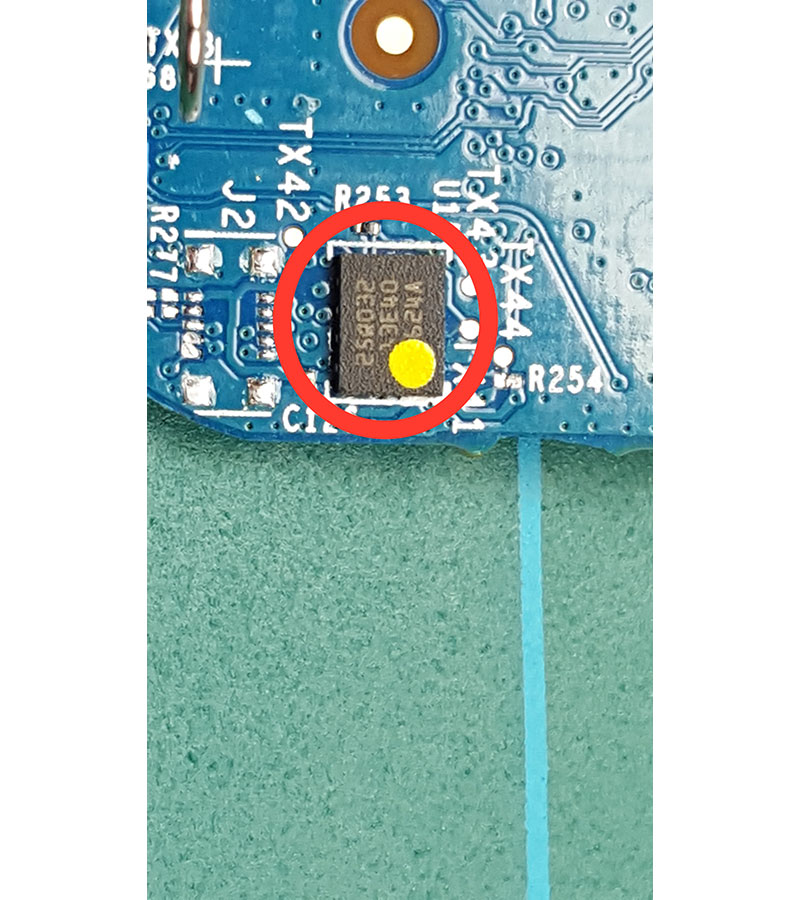
Micron Flash memory N25Q032
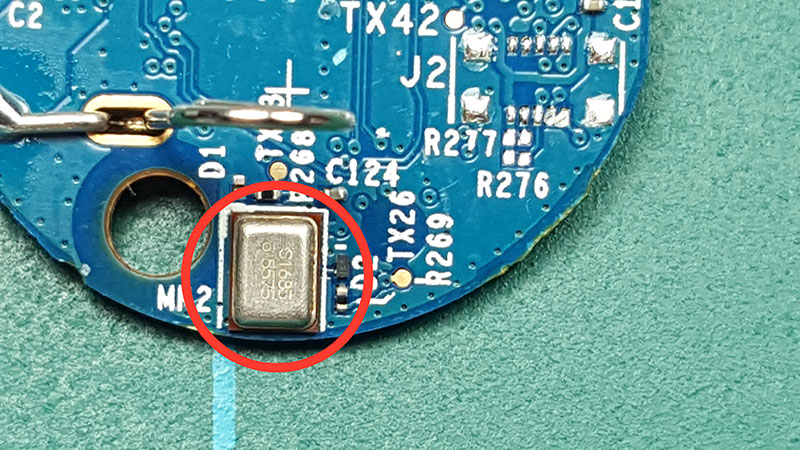
Microphone
Bluetooth is used to configure the button when placed in configuration mode by holding down the button for 6 seconds. The button then enters a discoverable mode as a Bluetooth Low Energy device with the name “DashButton” followed by the MAC address. The Amazon Shopping application then registers the Dash Button by accessing a web address that holds the buttons information such as serial number and MAC address at http://192.168.0.1 .
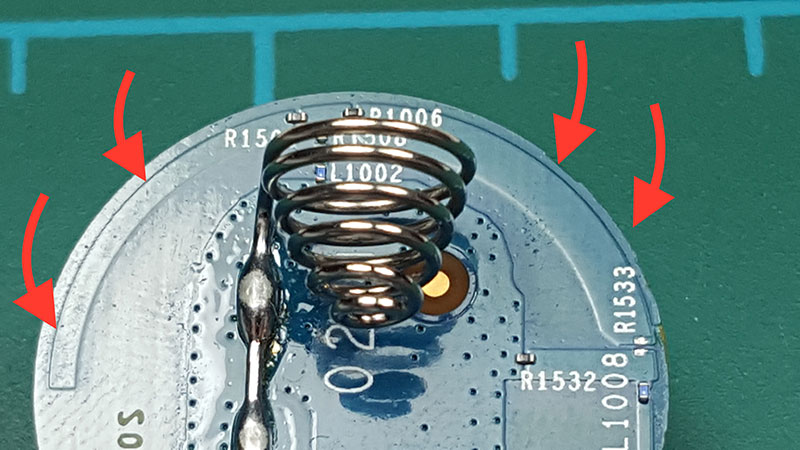
Wireless PCB Antenna
The Amazon Dash button also includes a RGB LED to indicate the status of the Dash button.
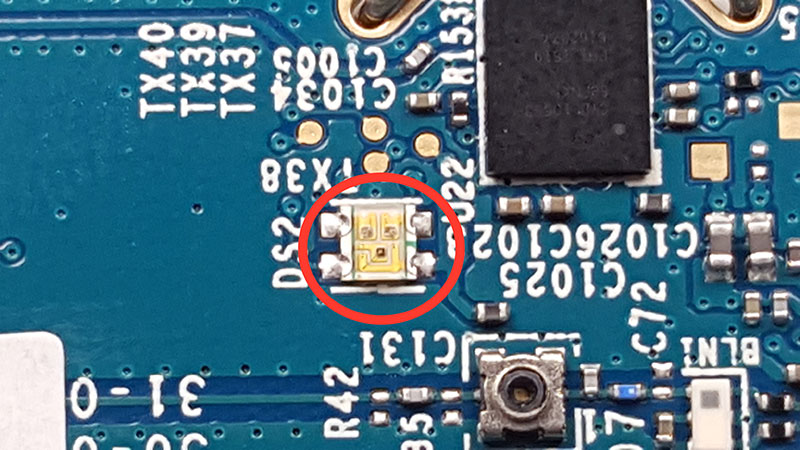
RGB LED
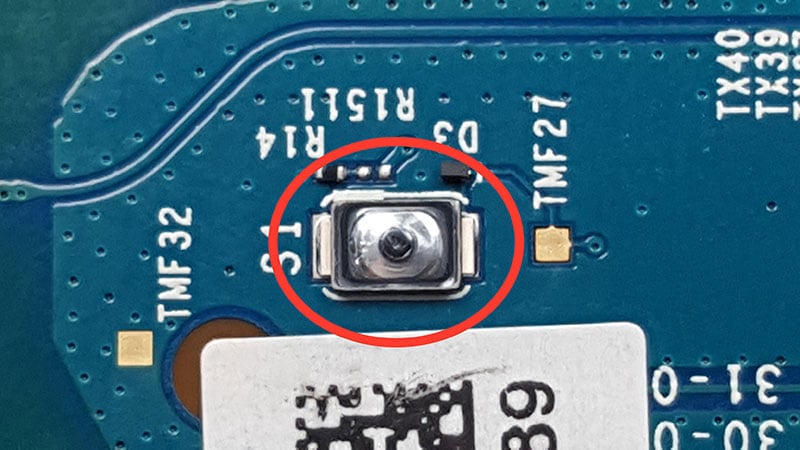
Push Button
Overall the Dash button looks like it has been well designed to reduce the overall production cost to Amazon themselves, they have also taken considerable thought into the power consumption using Atmel SAMG microcontroller with advance power saving features.









 United Kingdom